
Firefighter AirYour Air. Your Life.

Trusted By


This or That?
The Next Standpipe Initiative
Today’s buildings are larger than ever. Firefighters are traveling farther, operating longer, and consuming more air than the systems supporting them were designed to accommodate.
The Next Standpipe Initiative is a national effort to examine whether modern fireground demands have outpaced our current firefighter air resupply capabilities and to identify what comes next.
Watch “This or That” and help answer the question.
Have our buildings outgrown the firefighter air systems designed to support them?
Explore Our Kitchen Table Training Resource Center
The kitchen table is where the most important tactics are finalized. We provide the educational resources you need to navigate the challenges of air resupply in today’s mega-structures. From cancer prevention data to air standpipe codes, find the tools that help you extend your air supply and keep your team in the fight. Search our library to start the briefing.
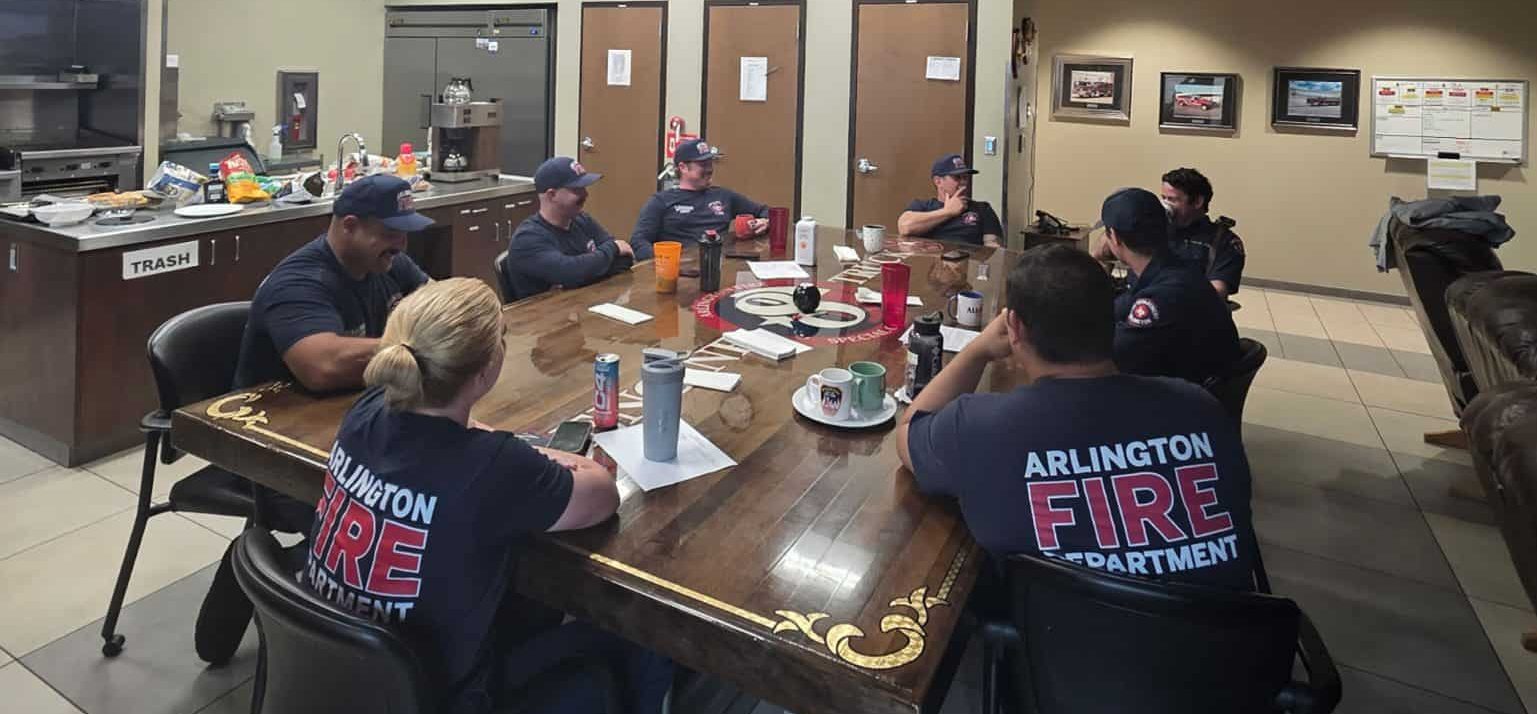


Win A Full Scholarship to FDIC International 2027
- 16 Hours of H.O.T. Evolutions
- World-Class Experienced Instructors
- Explore the latest in Fire Technology
Saving Lives With More Air. Your Air. Your Life.
Our Network


Our Focus
Your mission is to save lives. Our mission is to keep you breathing to get the job done.
The Mission Doesn’t Stop Because the Air Runs Out
Every day, firefighters answer the call knowing someone else’s worst day is about to become their responsibility. They enter dangerous environments, push deeper into buildings, search for victims, protect property, and do everything possible to save lives.
But none of that happens without air.
The Firefighter Air Coalition is dedicated to ensuring firefighters have the breathable air they need to complete the mission. Through education, training, research, and collaboration, we advance firefighter air safety and help the fire service meet the challenges of today’s larger, more complex buildings and longer, more demanding incidents.
Because when the air runs out, the mission stops.
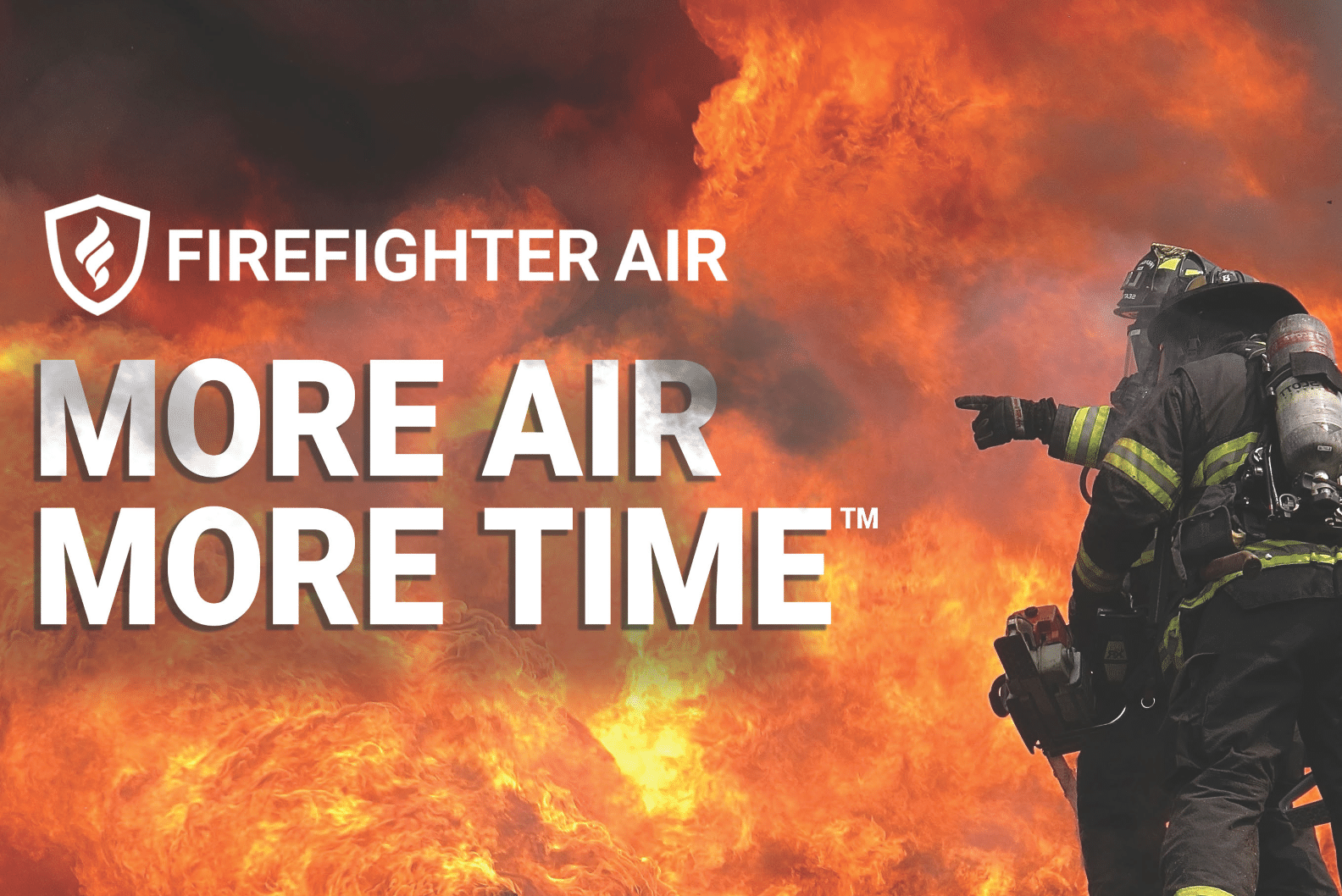
More Air. More Time. More Opportunity to Save Lives.
TACTICAL SAFETY
MODERN FIREGROUND EXPOSURES
INHALATION EXPOSURES
Inhaling toxic gases, smoke particulates, and chemical vapors released during the combustion of modern synthetic materials.
EXPOSURE OUTCOMES
- CHRONIC OBSTRUCTIVE PULMONARY DISEASE (COPD)
- OCCUPATIONAL ASTHMA & BRONCHITIS
- REACTIVE AIRWAY DYSFUNCTION SYNDROME (RADS)
- ACUTE RESPIRATORY FAILURE
CONTACT EXPOSURES
Absorption of hazardous chemicals and carcinogens through the skin, often from soot, debris, and contaminated turnout gear.
EXPOSURE OUTCOMES
- OCCUPATIONAL CANCERS
- CARDIOVASCULAR DISEASE
- CENTRAL NERVOUS SYSTEM DAMAGE
- SYSTEMIC ORGAN TOXICITY
